farm life is not as simple as it seems

My daughter and I were invited to spend a simple day at the farm–Shamrock Farms. I'd been there once before, about four years ago, just a few weeks before my daughter was born. I remembered it fondly and was excited to go back, but I was also a bit nervous. Since I'd last been there, our family has made a lot of lifestyle changes. We exercise regularly, we mostly don't do processed food, we don't buy paper towels, and...we make more vegan choices. I'm not able really to define it, but, well...I have no idea what I'm doing. I just know that I've watched my share of inspiring, influential documentaries, and there I was, confused at a dairy farm.

Shamrock Farms was as delightful as I'd remembered. Every staff member we came in contact with was a pleasure to meet and treated us as if we were old pals, which stands to reason, as the farm's philosophy is to treat it's customers like friends and it's employees like family.  The facility has been family run since 1922, and was begun with a few hand-milked cows and local delivery of fresh milk in glass bottles. Ah, the good ol' days.

We boarded the tram and got "MOO-ving" for a tour of the working farm.

IMG_5537

Even though it is the largest family-run dairy farm in the southwest with over 10,000 cows, Shamrock Farms "loves" their herd, and set out to show us how. Since the farm produces milk and related products, all of the cows are female black and white Holsteins, and referred to as "the sisters." When not being milked, the sisters spend their time in the "Desert Oasis, where luxurious spa treatment produces quality milk."

IMG_5531

In the Desert Oasis, the sisters have plenty of shade from the intense desert sun, and their shelter is complete with misting fans, something I wish I had in my own back yard. Heat stress will reduce the milk the ladies produce, so they are kept quite comfortable. Their oasis has areas where they can roam free, which seemed to have more than ample space. It is equipped with feeding gates to enhance their dining experience by keeping things non-competitive at feeding time. They can choose when to eat and when to roam...when to bask in the sun, and when to chill in the shade. They seemed calm and happy.

IMG_5519

Our tour guide shocked us with statistics about what it takes to produce the milk we drink. Each day, each sister eats 100 pounds of food and drinks thirty-five gallons of water (about a bathtub full). This fuel allows the cow to produce thirty pounds of waste and 8.5 gallons of milk. Every cow. Every day. The good news is that Shamrock Farms recycles the cow waste into fertilizer to grow their food, and they also use recycled water.

IMG_5529

Their diet consists of different types of hay with vitamins and molasses (for taste) mixed in. Maintaining their "café" is a big job. The sisters eat 90,000 pounds of hay each day! The variety they eat depends on their dietary needs at the time, and Shamrock farms provides them with variety, which is important in any diet.

IMG_5530

We made a pit stop at the kids' adventure area, where the little ones were given a chance to wiggle and play. They also had the opportunity to hook their fingers up to one of the milking machines used by the farm. As described, the experience was gentle, like a massage, which was a relief to all. The kids got to go down a cottage cheese slide, among other dairy-themed adventures.

IMG_5527

IMG_5528

As I mentioned, the last time I visited the farm, my daughter wasn't quite born. We took a family photo on the stationary cow that day (the protrusion in my mid-section is Campbell).

IMG_2578_1

And, then, the other day, I forced Campbell atop the same cow. As you can see, she loved it.

IMG_5526

I'm going for the triptych, so she'll have to pose again when she's sixteen.

Moo-ving on, we next visited the "milking parlor." We saw the sisters file in calmly, be milked by the gentle massaging machines, and then leave just as calmly and orderly as they arrived. I found it interesting that there are a few "type-A" cows in every herd who lead the other sisters into the milking parlor in the same order every time. If we ever doubted their intelligence...

IMG_5520

The sisters all seemed quite calm while they were being milked, a process they undergo twice a day, every day. Our tour guide told us that they receive a shower before each milking, and that the whole process of showering and milking, from start to finish, takes between 4-7 minutes, only.

IMG_5524

IMG_5521

There are some special areas for cows with particular needs, such as a "maternity ward" for mama cows. The soon-to-be moms stay in the ward beginning three weeks before their due date, and are also provided an after-birth care area with other new moms. It is a place where they can be monitored closely by staff veterinarians. Their care includes a "manicure," (hoof treatment), which any new mom can appreciate.  Considering the farm sees thirty to forty births per day, this component of the farm is crucial, as is the "nursery," where all of the new babies go. The babies are bottle-fed from the start, first with their own mother's colostrum, and they are bucket-weaned three to five days after birth. They stay in very small, individual pens for approximately two months, in order to keep them safe and ensure that they get proper nutrition. They are then moved to a larger pen with a small herd, and then gradually move into larger pens with more sisters.

Beginning at about age two, the cows have between four and six babies (one, very occasionally two at a time) during their lives at Shamrock Farms, which is usually about seven or eight years.

Shamrock farms has a "traditional" herd and an organic herd. The organic herd can not be treated with antibiotics or added hormones (the traditional herd does not have added hormones, either, which is nice), and their food can not be treated with pesticides. Unfortunately, many organic herds suffer because though a cow may be very sick, they are not treated with needed antibiotics. Their milk production is valued more than their comfort, so they are left to suffer and sometimes die so that they can stay "organic." Not so at Shamrock Farms. Since they have both an organic herd and a traditional herd, they are able to treat a sick organic sister with antibiotics, if needed, then simply move her to the traditional herd. Shamrock Farms really does seem to care about their animals.

The main difference in the organic herd, aside from the lack of antibiotics, is in what and how they eat. They have access to pasture 180 days out of every year, and there are no pesticides whatsoever in their food. Many times we don't think about pesticides being in our dairy, but what goes into the cow affects what comes out, so it's important to make sure you understand where your food comes from and what goes into it, every step of the way.

All Shamrock Farms Cows are born and remain on the farm for the duration of their calf-producing, milk-making years. As dairy farms go, I believe Shamrock Farms is one of the best. The animals seem happy and healthy, and they are treated better than other large dairy farms I've researched. That doesn't take away the inherent problems in dairy farms, which is a topic for another time, but can't be ignored. Yes, any animal that does not produce milk, which include all of the males born and the females beyond cow-bearing years, are collected by the meat broker. "The circle of life" is how it was decreed by our tour guide (of course, this was not actually part of the tour, but something I asked on the side). Regardless of my beliefs, whatever time the cows spend at Shamrock Farms is as good as it can be.

The people at Shamrock Farms pulled out all of the stops for us, and we even had the opportunity to try one of their soon-to-be released products, flavored sour cream, due out in June. The newest addition to their product lineup is a result of focus groups and consumer feedback.

IMG_5536

The flavored sour cream will be quite versatile. "Dip it. Mix it. Top it" is the message they want to communicate. There will be simple applications, and the sour cream should be an exciting enhancement to recipes, as well. The sour cream will come in three flavors: ranch, french onion, and–my favorite–jalapeño. For dairy-consumers, this is a healthy alternative to highly processed dips and dip mixes, as they are minimally processed with no added hormones and are locally made (for those of us in AZ). They will come in 12-ounce tubs and will be priced about the same as regular sour cream, about $2..99. It was fun get the inside scoop on a product that isn't available yet in stores!

We had a great day at Shamrock Farms. I would highly recommend checking out your local dairy, and if that's Shamrock Farms, all the better! Their hospitality makes you feel like you're back in the 1920's when the farm began, while their technology and ideas are ahead of their time.

Above all, please educate yourself about the quality of the food you put into your body, and know how the animals who make–or who are–your food are treated.

Disclaimer: I was invited to visit Shamrock Farms and received a complimentary day of activities, but all opinions are my own.
fearful dogs and cats: breaking the barrier

When I schedule an initial consultation, a prospective client might warn me that their pet is is "shy" or "timid" or "skittish." In reality, their animal is fearful of strangers and new situations, and possibly a whole host of other things. This type of animal is actually a wonderful candidate for the right professional in-home pet sitter. Some animals are fearful because they have had a negative experience in the past. Unfortunately, they can't tell us why they are troubled. I still haven't completely given up my girlhood dream that an animal might someday just speak up. 

Until then, it's up to us to take charge of the situation and do our best to ease the animal's fears. I have a method that is almost always successful. New clients are often amazed that their usually-reclusive animal will snuggle up to me only a few minutes after my arrival. "Wow, she really likes you. She never likes anyone." 

Take the situation where you're arriving at a friend's house. The dog is barking it's brains out and retreating or hiding behind something. (Yes, many dogs bark at me when I first meet them.) If you want to be friends with the animal, what would your first instinct be? 

I'm guessing it would be to talk to the animal and ease it's fears. Show how friendly you are by raising the pitch of your voice and smiling at the dog, perhaps approaching it with your hand out in an unthreatening way. That would be very sweet of you, but would be the last thing you'd want to do. Ninety-nine times out of a hundred, it would only worsen the situation. A human might see a friend, but a dog would see a threat. Your strange voice would alarm her. Making eye contact with her is considered a threat in dog language. Putting your hand out invites a bite, and moving toward the dog makes her feel like you are chasing her. And that nice smile? Well, in the dog's mind, you're bearing your teeth, a sign of impending attack.

Perhaps if you entice the dog with a treat? Then you would only be reinforcing the behavior you don't want to see. Oops. Let's definitely not do that. 

What can you do instead?

Nothing.

It may seem a bit odd, so I always warn my potential clients ahead of time. "Please know that when I arrive, I'll ignore Princess since you told me she's shy. It's not because I don't want to be her friend, but I want her to be able to get to know me on her terms."

When I am invited in the home and Princess is barking and hiding behind her owner, I don't even look at her. I act as if she's not there. I greet the owner and any other friendly animals that may want to hug and kiss me, but completely ignore Princess. She gets to see that I'm not a threat to others in the home. I then ask the owner if there is a place where we can sit and chat about the animals in the home. We sit at a kitchen table or living room couch. 

Usually within a couple of minutes of my sitting down, Princess will be sniffing my leg. I continue to ignore her. She may retreat and come back a few times. Once she is relaxed and seems to be more comfortable, I'll offer the back of my hand, without saying a word, and without looking at her. If she sniffs my hand and stays, I'll scratch her chin. It is important not to put my hand on top of the dog's head, because that is a dominance signal. Fearful dogs need you to help them rise to the occasion (chin up) rather than show them your dominance (covering the top of their head). There is a place for the head pat with secure, confident animals. 

I'm gaining trust at this point, but I don't talk to her or look at her. At all. In fact, when the consultation is over, I leave the home without ever having acknowledged Princess directly. You know how you should always leave your date wanting more? Well, the same goes here. 

When I come back next time, the owners usually aren't home. Princess may bark for a bit, and I'll just ignore her. She then remembers me as a non-threatening individual and warms up quickly. 

Just this past weekend, I cared for a fearful dog. She was a brand new client, and I ignored her during my first visit to the home when the owners were away. She barked at first, so I sat down and pet the other dogs. I kept my back to the fearful dog. I eventually felt her sniffing my back. It took a couple of visits, but she finally allowed me to pet her. It was all on her terms, so she felt comfortable. We aren't best friends, yet, but these matters take time, like any solid relationship. 

Fearful cats can be a bit more stubborn, but the method is just the same. I have won over quite a few felines this way. For the few that stay in hiding, I always make sure to see their glowing eyes before I leave them alone, just to make sure they are safe. There is one home I have been visiting for eight years now, and I've still never seen the two cats who live there. I know their hiding places, so I quickly peek for the glowing eyes, and then go about the business of feeding and litter-box scooping. I don't ever pester them or try to coax them out, because I know that would only make them hide deeper in the closet or trick me with an altogether new hiding spot. I'm not sure there's any chance I'll ever get to pet those two, but I always keep a bit of hope.

The trick to gaining the trust of a fearful animal is to always remember that the dog is a dog and the cat is a cat. Learn their language for the best chance to break down their fearful barrier to lifelong friendship. 

disclaimer: Sometimes fearful animals can become aggressive. Always use extreme caution around aggressive animals. Truly aggressive animals can be very dangerous and may require professional, one-on-one attention for rehabilitation. 

the green side of well minded

Happy Earth Day! As a family and as a business (yes, lines get blurred), we've been "going green" for many years. It's a never-ending, evolving process that we love to educate ourselves about and improve upon.

Why do we consider ourselves a green company?

• We are nearly paperless. We do jot things down and ask for a few old-fashioned signatures with brand-new clients, but once our initial consultation is over, all confirmations and invoicing is done online. We take booking requests online and are able to send confirmations and invoices online, as well.

• We use biodegradable bags for waste cleanups on walks, in yards, and when scooping litter. If our clients leave us biodegradable bags, we credit their account $1 per day. So, if you're traveling for seven days, and we pick up your doggy droppings and kitty litter every day you're gone (which we do), when you leave us biodegradable bags to use, you'll automatically see a $7 credit on your invoice. That probably covers the whole month's supply of bags, right? Easy!

• We walk a lot. And we hike. Traveling by foot is super eco-friendly. And since we live in the desert, we drink a lot of water when we're exercising. So we use reusable water bottles for both humans and animals, and we use reusable, collapsable pet bowls when we're on the go.

• In our home/office, we haven't purchased paper towels for over three years. HUH? It's TRUE! We use cloth rags for everything, even pet messes! Yes, it CAN be done. We first tried it as a challenge, and it became second nature–part of our lifestyle. What do we do if an animal barfs on the rug? Well, we get out a few rags, then throw them in the washer. It works!

• We use non-toxic, ecofriendly cleaners. Not only do our animals breathe easier, our whole family does. And no one has to worry about the scary stuff in bleach, disinfectants, and the like. Feel free to lick your paws!

• We're making more vegan choices, which impacts our earth every single day. We're learning and striving as a family business to get there 100%.

• When we go on our lunch break, we use reusable containers to hold our grub.

• Porter, our six-year-old junior pet sitter, is in the Save the Earth Club at his school. He comes home with ideas for us to discuss and helps our family business stay on an earth-friendly path.

• We recycle everything we can. And we use reusable bags when we shop. That's not very impressive, hopefully. Shouldn't we all be doing this by now?

What will we do next?

• We're researching taking online payments, so you won't have to send a paper check anymore. Just blame my slight fear of figuring it all out for the delay.

• We've been doing lots of research on composting, but haven't taken the plunge, yet. We're excited to start!

Being "green" is not black or white. It's a process, and it's about making gradual changes that fit into your family's life. It's about being the best you can be, and being better than you were yesterday. It's a family affair, including your pets. Think about how you and your pet can be just a little bit friendlier to the earth tomorrow. Maybe you use biodegradable waste bags, or clean up that pet mess with natural cleaners. Or maybe you walk instead of drive, and dispose of a piece of trash someone else left along the way.

a day at the Phoenix Pet Expo

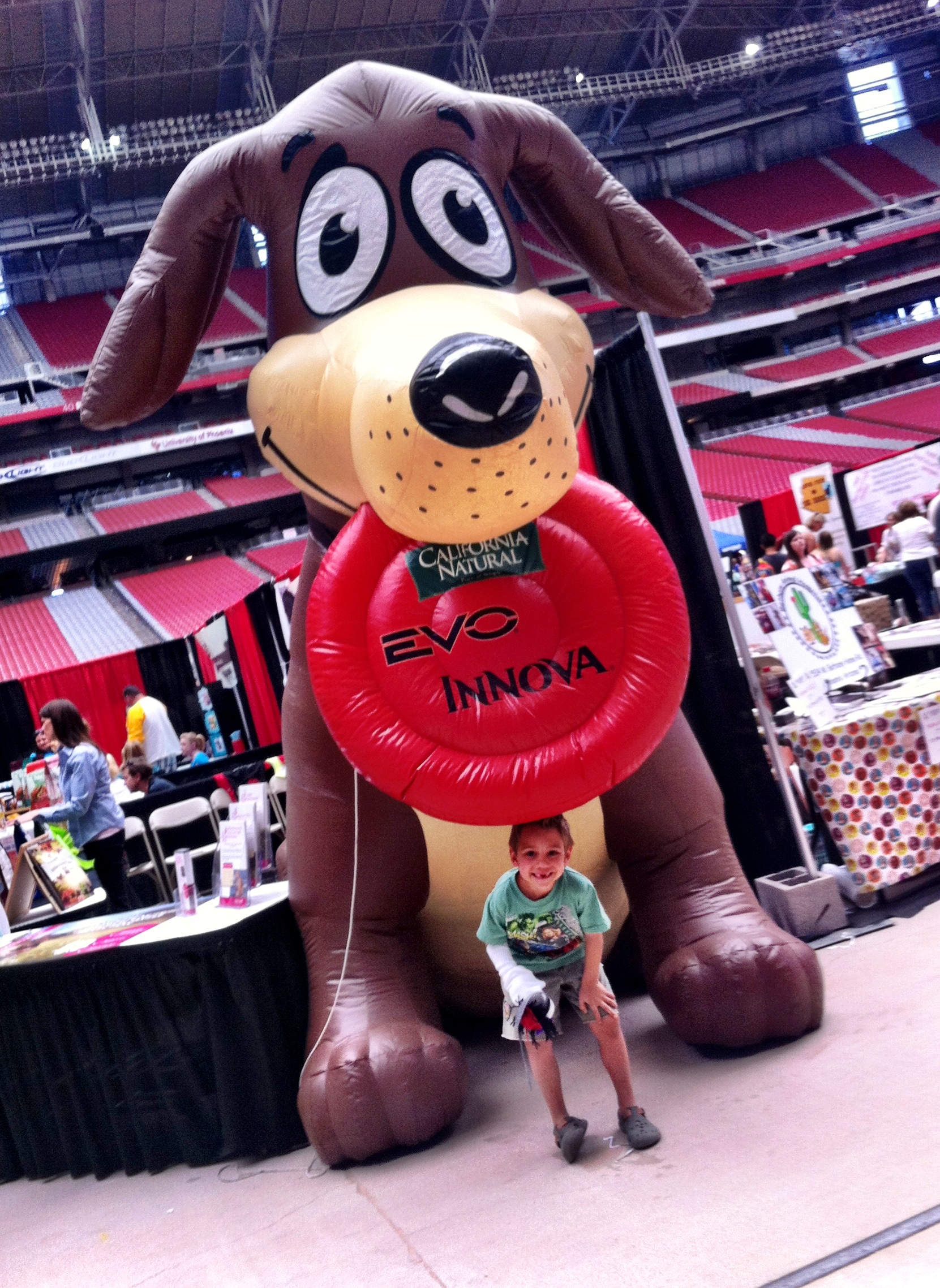
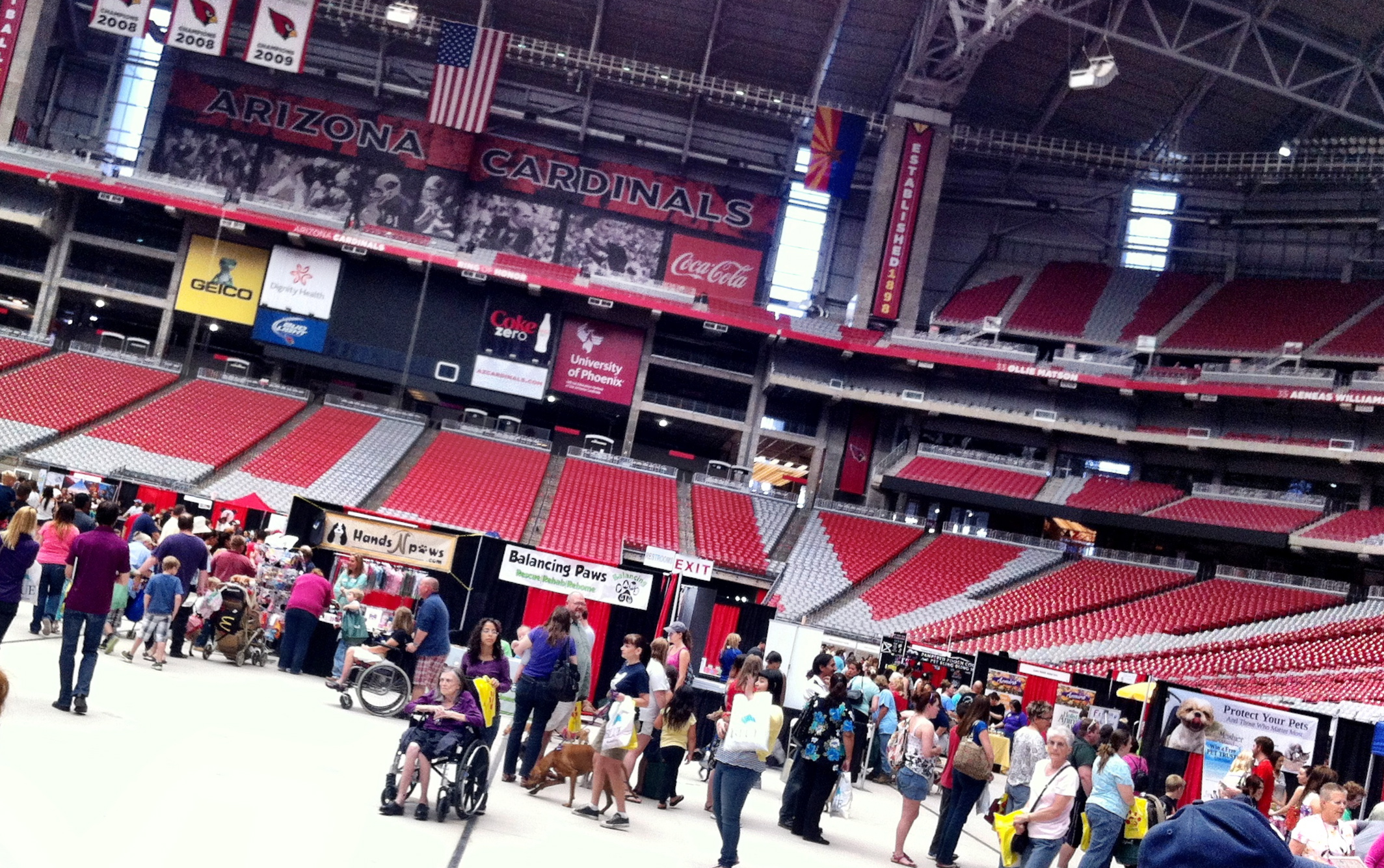
The aroma of churros and dog poop guided us to the family fun at  the Phoenix Pet Expo at the University of Phoenix Stadium. The littles were impressed with the scale of the building and number of well-behaved pets before we even entered the gates. Once we did, we were corralled down a long winding ramp, since no dogs were allowed on the escalators, naturally. My dog, N.A.S.H.A., is a bit of a nut case, so I borrowed a better-behaved client's dog, instead. Image

Parking and admission were free. Sweet! Once inside, we were overwhelmed by the scale of the event. There were over 200 vendors and rescue groups in attendance.

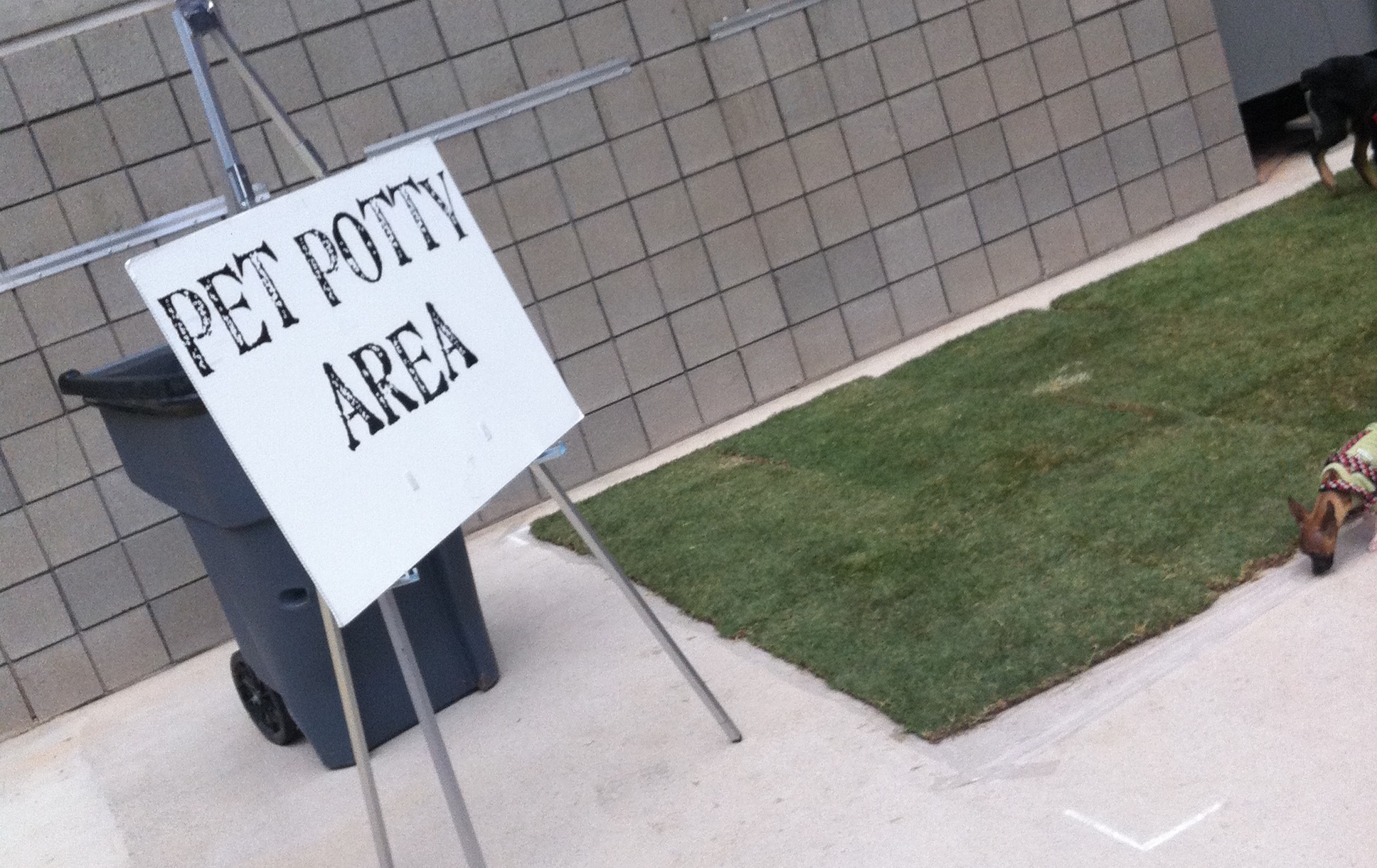
Our borrowed pooch was a bit of a snob about the drooly community water bowls and wading pools, but it was nice that these things were provided. They even had several designated potty areas, complete with real grass, waste bags, and trash cans.

We made some new friends.

The littles had the opportunity to meet some exotic pets, too, including a boa constrictor, which they weren't shy at all about petting. When your mom is a pet sitter and you get to take care of all sorts of animals, you get pretty brave at a young age.

Image

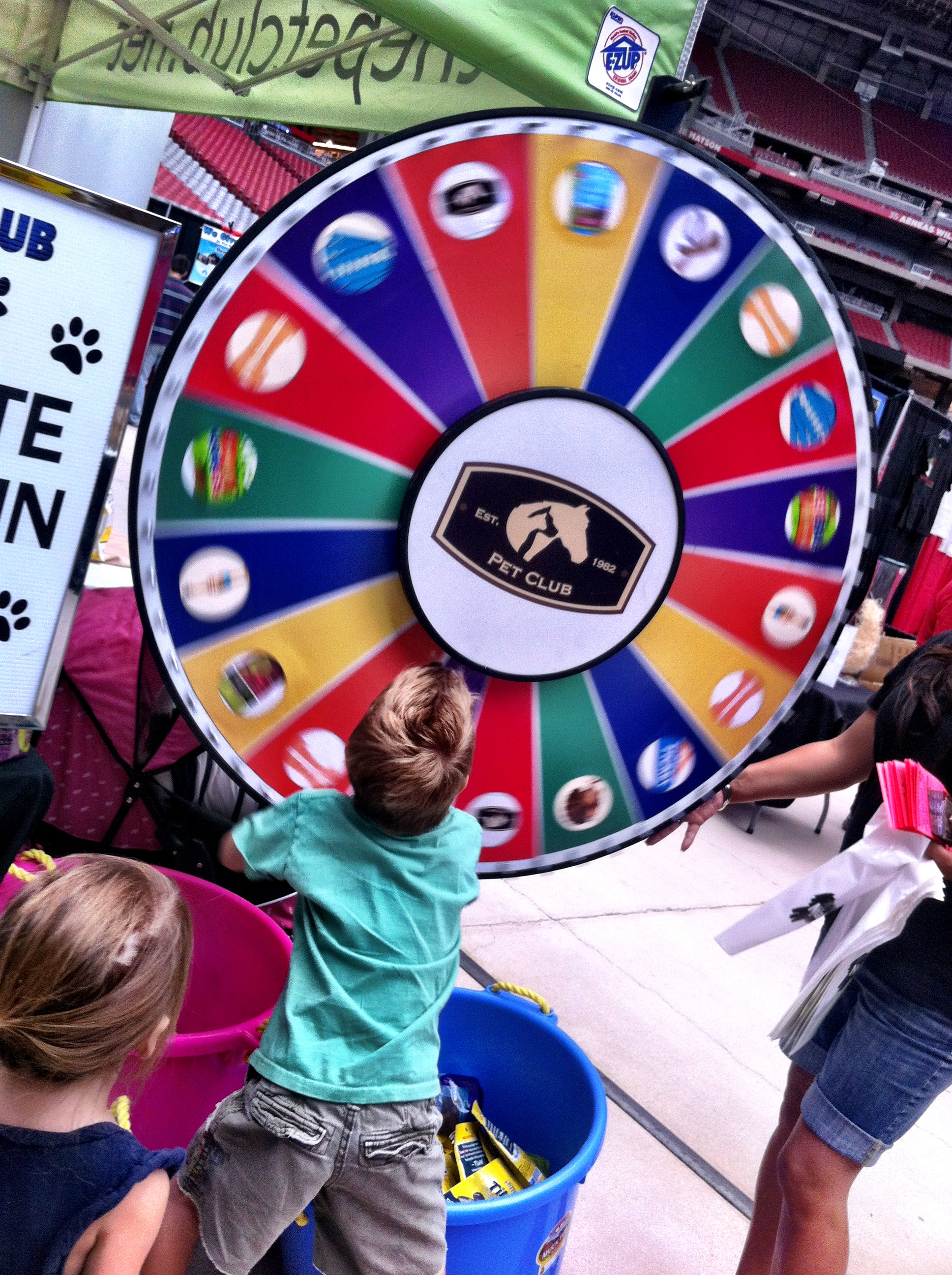
The booths had a lot going on to attract us to their wares and causes. We learned about some new and amazing products that I'll share with you soon. Po, my six-year-old son, brought one dollar from his piggy bank and agonized about what to spend it on. He finally decided that he and his sister would donate it for a chance to spin the Pet Club wheel of fortune to win some treats for the pooches in their lives.

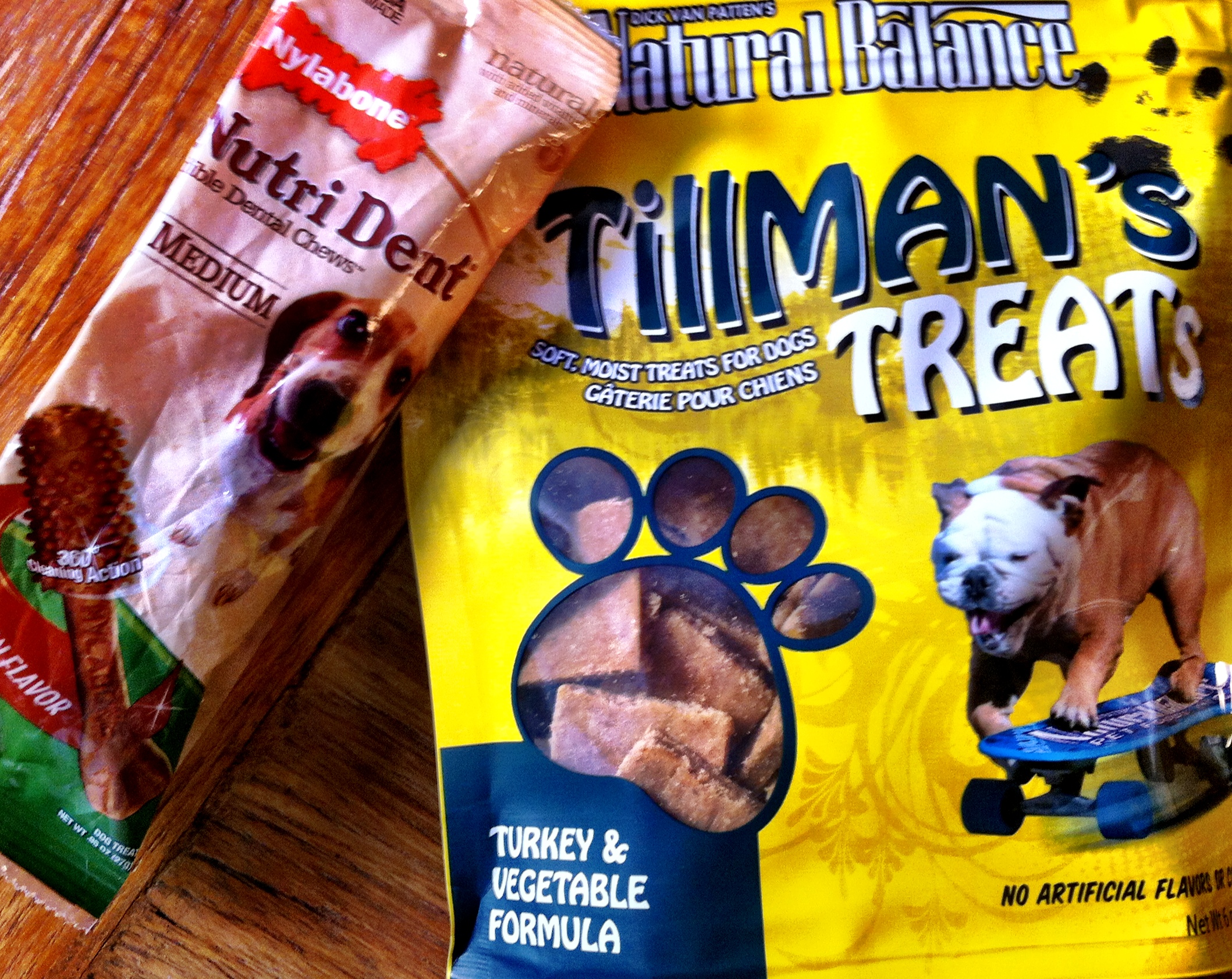
Porter won some Nylabone NutriDent dental chews, and Cam won some Natural Balance Tillman's Treats.

Image

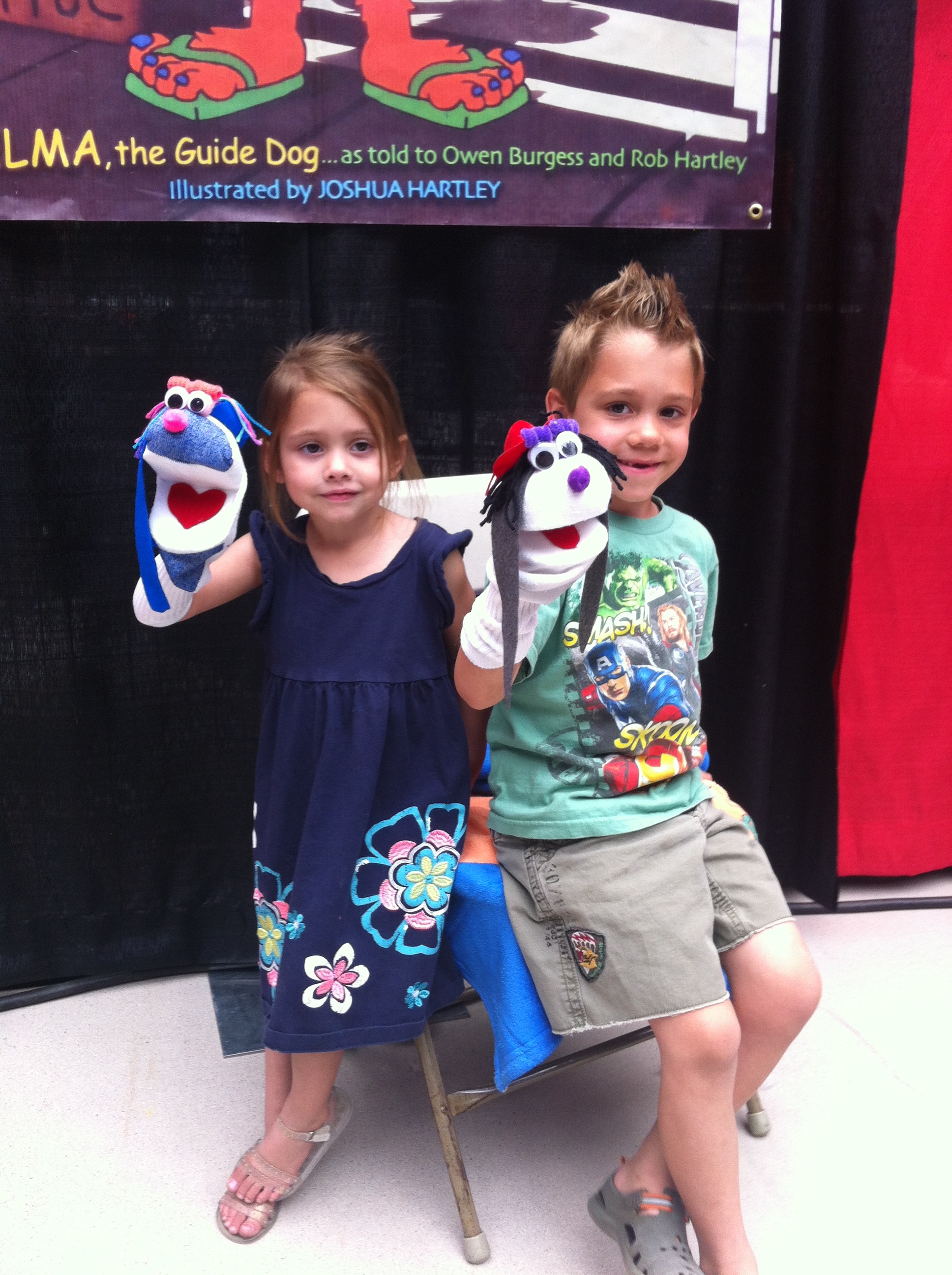
The littles' favorite activity was the "For the Love of My Pet" booth, which had many free activities for them to participate in. The kids each created their own dog puppets with help from Owen Burgess, author of For the Love of My Pet.

We all enjoyed watching demonstrations in agility, flyball, and dock diving.

Image

There was just so much to do at the Phoenix Pet Expo! Though we resisted adopting a new family member, the event would have been a wonderful setting in which to do so, with so many animals in need of homes. If you are an animal lover or are looking for a free day of fun for your kids, I would highly recommend attending next year's Phoenix Pet Expo.  Just watching the pets in attendance stroll by was a treat in itself!

the moment of truth: deciding about euthanasia

The other night I had a conversation with a dear, lifelong friend. She sought my opinion and advice about her impending decision about when to euthanize her dog, who suffers from a terminal heart condition. This decision is the ultimate terror for any pet parent. I believe all of us would rather our pet just pass peacefully in his sleep and spare us the misery of choosing the proper time. The right time. The best time.

Each situation is unique in terms of the pet and the owner. There is the physical status of the pet and the emotional condition of the owner. And, though we don't want to expose the elephant in the room, there is the financial aspect, as well. I believe that all three issues must be taken into consideration, with the pet's comfort and quality of life being the absolute number one consideration.

I have helped several clients and friends through this difficult time, and the hardest situation is when the owner can't let go and lets the pet suffer. I have only witnessed this a couple of times and was able to gently guide things in what I considered to be the direction in the best interest of the pet.

When evaluating the physical condition of the pet and deciding when to make the final call, I truly believe in the "you'll know" philosophy. You know your pet best. If they aren't themselves and can't enjoy life, you'll see that. There is a difference between a pet who is slowing down and a pet who is in pain and can't function. The connection between you and your pet can't be denied, and your pet will be able to communicate to you in some way. You'll be in tune to that, and you'll do the right thing, even though it's hard.

Your emotional state is very important, though secondary to your pet's needs. When we become pet parents, we have to know that eventually we will likely be called upon to make this decision. No matter what, there will be some degree of guilt...Did I wait too long? Did I do it too soon? Did I do enough? You have to know that you have done the best you can for your pet. Your pet knows that. Your pet knows your love. Your pet knows. Though the last moment we have with our pets is usually heartbreaking, it's hopefully peaceful, and we should walk away remembering not just that moment, but all the wonderful times, which made up the majority of your time together.

And then there's the money. Having a pet with a long-term disease or issue can often be costly, and the decisions we have to make regarding what to do and the extent to go to can be financially agonizing, which only adds to our guilt. Even if you have all the money in the world, some tests and procedures can be invasive, stressful, and even painful for your pet. Regardless of cost, you have to evaluate the likelihood that it will make a difference. If you can afford something and it's minimally invasive to a declining pet, then go for it. But spending any amount of money on something that is very unlikely to make a difference, especially if it is invasive, just doesn't make sense for you or your pet. I have seen people spend thousands of dollars for an invasive procedure that had little chance of bettering the quality of their pet's life. It can certainly make you feel that you've done absolutely everything. That helps your emotions in the moment, but it doesn't help your pet. And it doesn't help your pocketbook to consent to unnecessary procedures. If you have a quality veterinarian (that you've hopefully built a relationship with), they will help guide you through the process. Most have you're pet's best interests at heart.

Your pet's quality of life is the number one priority. When we sign up to be pet parents, we commit to making the best decision for those in our care. Finances must also be considered, as well as our own emotions. This time in your pet's life is, without question, the most difficult. Trust your instincts, and move forward with confidence. The love and unbreakable bond will be there, no matter what.